

Testing is an important step in the design thinking process. It is technically the last step of the process, but this isn’t usually the case. After testing, designers often go back to their work and revise it based on the comments of the participants of the test. Taking in the feedback of the participants can allow for the prototype to be redefined and for the final product be made easier to use. When creating a product, one of the main goals is for it to be easy to use and for the user to understand how it works. If the use of the product isn’t clear during the testing phase, then it is important to go back and make it clear.
According to the article Stage 5 in the Design Thinking Process: Test, the best types of tests are completed in a natural environment where the participant is comfortable. This will help remind them of reality and allow them to relax while completing the test. They should also be solely observed by the tester during the test. If the user figures out how to use it on their own and isn’t told what to do, this will allow the prototype to be tested to its full capacity if the user figures out how to use it on there own and isn’t told what to do. Observing during the test and asking questions after will allow for the most useful feedback.
Products are always changing and the best example of this is the simplified Samsung Television discussed in the article User Research: What It is and Why You should do It. Samsung created a minimalistic television hiding all the bulky cords as they noticed users were beginning to use their televisions for decoration over function. Testing products in real life situations and garnering feedback will allow for more refining to fit the user’s needs.
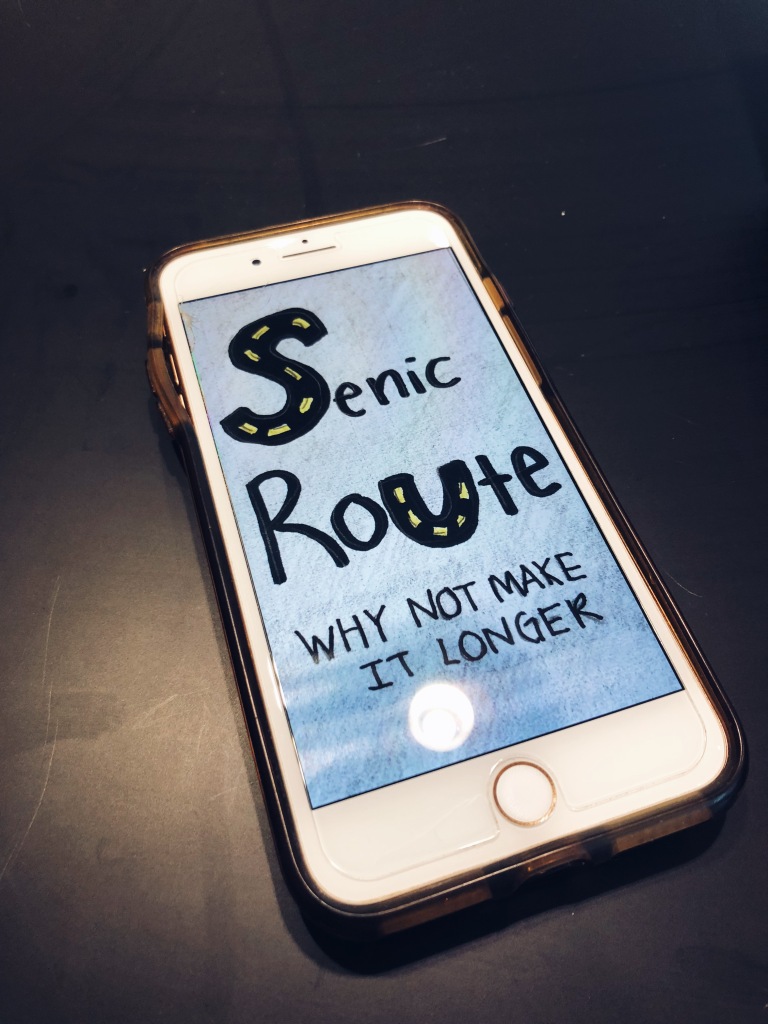
In class, we started up our functioning app prototypes and began the testing phase of our wacky app process. Above is a picture of my wacky app’s home screen on the working app prototype. We went around testing our apps between different students in the class. I made sure to test my prototype with at least three of my classmates to get the most feedback. While testing, I followed the guidelines of testing we had learned through the readings and in class to get the best results. I got the prototype running for my participants and watched as they navigated through. I took notes, making sure to pay attention to detail, of where they tapped and their expressions while doing so. I allowed them to play around on the wacky app until they deemed fit and gave me feedback. I asked them how I could improve and if anything was hard to understand for them. Using their feedback, I ended up making minor changes to my screens to allow the app to be more functional.
In the end, after the testing, I had a mostly completed app. If there were more time I would’ve tested the app again after I made the changes. This could allow me to refine it more with a different set of students. Overall, testing is an important step in making sure the product works in reality and is usable to everyone.
#designresearch
 SHANNON'S DESIGN BLOG